Pakdi.net on Personal Financial Planning

Home   MamaRich   Futures Trading   [My] EDC   RSS   About   Contact

Key-Person Insurance

Posted by Pakdi | 1 Comment »

Many businesses safeguard their financial investment in new ventures by taking out a life insurance policy on key individuals whose presence in the company is vital to success. This “key-person” insurance can be used in a variety of other instances as well. In today’s Workshop, Jeffrey Moses outlines the use of this common business tool.

No one really likes to think about life insurance (expect insurance salespeople, of course), but when chances for the success of a venture would be seriously compromised should anything happen to one or more of the individuals involved, life insurance can be taken out for these key people. The stated beneficiaries of the policy would be either the other individuals involved or the business itself. The goal is to reduce financial risk by assuring an influx of cash that would either reimburse lenders and/or help stabilize the venture until new key individuals could be located and trained.

The amount of insurance taken out in the policy depends entirely on the size of the business, how much debt has been assumed and how much the business would lose while finding another person. Typical policy amounts vary from$50,000 to $1 million and more. This figure should be worked out with attorneys, accountants or insurance brokers experienced in the field.

Often the success of new businesses (particularly partnerships) will be dependent on one, both or all of the company’s founding members. In such a case, the business might consider taking out insurance on one or all of the members to safeguard the initial expenses.

Many lenders (banks and venture capital groups) insist on key-person insurance for specific members of the management team when lending to a new business or venture. The amount the lender is concerned with is the principal that they have lent to the business. As a result, lenders will want a policy that covers this amount, with themselves as beneficiary. Any insurance taken out for the benefit of the surviving members of the company will be in addition to the insurance taken by the lenders. Who makes payment of the monthly or quarterly premiums when a lender insists on insurance? It’s negotiable, but quite often it’s the company or individual members, not the lender.

If you’re considering taking out key-person insurance for your venture or business, here are a few questions to ask yourself:

1. How much debt would the company have to pay back if the new venture were forced to cease or temporarily halt activities due to the death of one of the key members? If this sum is substantial, key-person insurance may be for you.

2. Would the business have to be liquidated or sold in order to settle the estates of any members? This is a common reason to take out key-person insurance.

3. Will lenders require insurance?

4. Would any additional financial obligations fall upon the venture or partnership after the death of a member? This could include contractual payments taken on by the partnership or its members.

When taking out this type of insurance, always consult an attorney if there is any ambiguity about who is the true beneficiary. For instance, a lender might want a policy taken out to safeguard its investment, and as a result would be the beneficiary. Confusion may arise, however, if additional beneficiaries are named on the same policy. The time to determine all beneficiaries, and the percentages each will be due, is at the time of taking out the policy.

source: www.nfib.com

Like this post? Click here to buy me a Starbucks coffee.

 Subscribe in a reader


Buffett says recession may be worse than feared

Posted by Pakdi | No Comments »

Billionaire investor thinks downturn may last longer

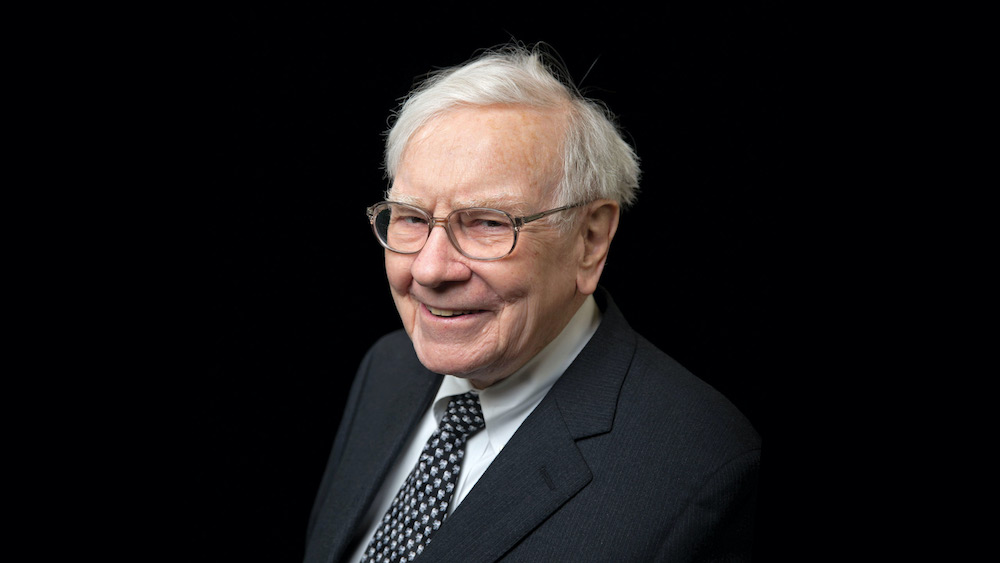
NEW YORK - Warren Buffett, the world’s richest person, said on Monday the U.S. economy is in a recession that will be more severe than most people expect.

Buffett made his comments on CNBC television after his Berkshire Hathaway Inc. agreed to invest $6.5 billion in the takeover of chewing gum maker Wm. Wrigley Jr. Co. by Mars Inc. in a $23 billion transaction.

“This is not a field of specialty for me, but my general feeling is that the recession will be longer and deeper than most people think,” Buffett said. “This will not be short and shallow.

“I think consumers are feeling gas and food prices,” he added, “and not feeling they’ve got a lot of money for other things.”

He was not immediately available for further comment. Known for his frugality, the 77-year-old Buffett has lived in the same 10-room Omaha, Neb. house for a half-century, despite being worth an estimated $62 billion.

On Wednesday, the U.S. Commerce Department is expected to say how fast the economy grew in the first quarter. Economists on average have projected that gross domestic product grew at an annualized 0.2 percent rate in the quarter.

Two quarters of declining GDP is a traditional indicator of recession. That last happened in 2001. Economists expect the U.S. Federal Reserve on Wednesday to cut a key lending rate for a seventh time beginning last September.

Berkshire is a $197 billion conglomerate best known for its insurance holdings, such as auto insurer Geico Corp, but it owns more than 70 businesses.

Many of those businesses are tied to the housing market, including Acme Brick Co, insulation maker Johns Manville, and the real estate brokerage HomeServices of America Inc.

Others depend on consumers to spend more on discretionary items, such as Ben Bridge Jeweler and Borsheims Fine Jewelry.

“In the retail businesses … if anything, they’ve gotten a little worse,” Buffett said. “Of course, things connected with housing, whether it’s in brick or whether it’s in carpet, those businesses have shown no uptick at all. Jewelry had a bad Christmas … and it stayed that way.”

Buffett sees no respite from the housing slump.

“I think this is going to be fairly long and fairly deep, but who knows,” he said.

In March, Forbes magazine pegged Buffett’s net worth at $62 billion, ahead of Mexican tycoon Carlos Slim’s $60 billion and Microsoft Corp. Chairman Bill Gates’s $58 billion. Gates is a friend of Buffett and a Berkshire director.

Copyright 2008 Reuters

Like this post? Click here to buy me a Starbucks coffee.

 Subscribe in a reader


Why Do You Need Life Insurance?

Posted by Pakdi | No Comments »

Lesson: Have your life insurance before going to animal park ;)

Like this post? Click here to buy me a Starbucks coffee.

 Subscribe in a reader


Debit Card Dangers

Posted by Pakdi | 1 Comment »

By Sloan Barnett (MSNBC)

Read this before you swipe! Debit-card dangers

Yes, debit cards are convenient — but consider these points of caution

First, some basics: A debit card looks just like your credit card, but works like an electronic check. The payment is deducted directly from your checking or savings account. When you use your debit card to purchase items, you or the cashier slides the card through a scanning machine that enables your bank to verify that the funds are available and then approve the transaction. Most debit cards can also be used to withdraw cash at ATMs, and can also look just like your ATM card (look at the face of the card to find the “debit” language).

Debit cards are handy — so handy, in fact, that two-thirds of American households have them. They are more convenient to carry than cash or a bulky checkbook, plus swiping the card is easier and faster than writing a check. In addition, there are no interest payments. The money is deducted out of your account right when the purchase is made. Finally, you can use your debit card’s cash-back feature to get cash when you make purchases at a store, avoiding a separate trip to the bank or the ATM.

Despite all these benefits, there are some cautions to keep in mind:

Credit-building
You are not building credit with a debit card like you do with a credit card. Your debit card purchases do not enable you to build up positive credit. That means your good habits go unnoticed. However, by using your debit card instead of your credit card, you can avoid running up a big bill and making late payments, harming your credit. So if you have trouble making payments on time, a debit card would be the way to go.

Fraud protection
Debit cards do not give you the same fraud protection as credit cards do. The federal regulations are very different for debit cards than for credit cards when it comes to financial liability. When using a credit card, you are generally responsible for the first $50 of fraudulent charges, whereas your liability on many debit cards can be as high as $500. In addition, unlike a credit card, if there is a problem with your purchase, you are not able to withhold payment until further investigation by the credit-card company. If your debit card is stolen or lost, report it to your bank immediately. In many cases, if you wait more than 60 days to report your card lost or stolen, you could be responsible for all of the damages. Of course. always check with your bank to understand its policies and applicable state laws. Don’t take this lightly: A recent study in 2007 put fraud losses from debit-card purchases at $245 million.

Lost or stolen cards
A debit card is like a blank check, so you need to guard the card and the number on the card. If your card gets stolen, a thief can empty your bank account in minutes. Thieves don’t even need your card. As long as they have your name and card number, they can shop online or over the phone with your card information. If your debit card is lost or stolen, call your bank immediately! Follow the phone call with a letter.

Protect your debit card by holding on to your debit-card receipts and checking them against your bank statement each month.

Merchant disputes
If there is a dispute regarding a purchase you make, you are in a weaker position when you use a debit card instead of a credit card. The merchant already has your money when you pay with a debit card. So while the dispute is taking place, your money will remain with the merchant and you will only see that money again if you win the dispute.

Rewards
While some debit cards are beginning to offer rewards, they are still far fewer and less valuable than those offered by credit cards. Ask your bank if there is a rewards program you can enroll in to earn points toward travel or goods every time you use your debit card. Most likely the rewards will not be as valuable as the ones you get with your credit card.

Immediate deduction
When you use a debit card, the money is immediately taken out of your banking account. With a credit card, there is a float period between the time you make the purchase and the date the credit-card bill is due. This means that you earn a little bit of extra interest on your money sitting in your bank account when you use a credit card vs. a debit card.

No added services
Credit cards often come with added benefits, such as extended warranties on products purchased and insurance for rental cars and airline travel. Debit cards do not offer these services.

Tracking spending fees and overdrafts
When using a debit card, it can be difficult to keep track of what you purchased if you aren’t diligent in writing down everything or if you don’t go online constantly to check your account. Making a mistake on the balance can cause you to think you have more in the account than you really do, and can ultimately result in accidental overdrafts.

If you unintentionally let your balance get too low, each debit that comes through will bounce. With fees as high as $34 per bounce, this can add up to hundreds of dollars in a matter of seconds. So, for example, if you forgot to track a few debits and you have written a large check, many banks will honor the large check and then bounce all the debits, even debits as small as $2.

Even if you do keep track of your accounts, the bank’s calculations may not be as accurate as you are. It takes time for deposits to become available and the funds may not be accessible as soon as you would like, leading you to believe you have more in your account than you really have access to. This can cause you to spend more than is in the account and rack up overdraft fees.

Debit-card overdraft loans are more expensive than overdraft loans from any other source, including overdrafts by check. Debit-card overdrafts cost people $2.17 in fees for every dollar borrowed, compared to check overdrafts, which cost $.86 per dollar borrowed.

Fees
Banks prefer the credit option when you use your debit card, because they make more money in fees. For a $200 transaction, for example, a bank could make $1.99 if the customer chooses the “credit” option and signs his or her name. This is more than three times the 60 cents they usually make from customers who choose “debit” and enter a PIN number.

WHAT YOU CAN DO:
Here are some ways to stop banks from stealing your hard-earned money.

Keep your balance up
Keep a cushion of money in your account to avoid bouncing checks or debits. Decide that you are not going to let your account fall below a certain amount, like $1,000; when you see it getting close, transfer money into it from another account. If you don’t have the money to replenish it, then you should cut back on spending.

Track your account
Sign up for your bank’s online banking program. This is an easy way to see what is going on with your checking account. Pay close attention to the available balance.

A lot of us think that once you deposit a check in the bank, it’s yours for the spending. Watch out, this is not the case! Most banks put holds on checks for several days, even up to a week. Until the money clears, you should not use your debit card. Debits go through right at the time of purchase, and if the bank is holding your deposit, you’ll get huge fees on the overdrawn debits. If you need the money right away, take the check to the bank and have it turned into cash, then deposit it. When you deposit cash it is available almost immediately.

Call your bank
When it comes to overdraft fees, banks hope you won’t fight back and request courtesy credits. Many banks will credit you back the fee or part of the fee if it’s your first offence.

Use cash
Cash can’t bounce and that’s the beauty of it. If you are not willing to use a credit card, then cash is the next best option. I’ve found spending actual cash makes you more aware of what you are spending. It seems when you swipe a debit card, you tend to spend more because it doesn’t seem like spending “actual” money. At the beginning of each week, take out what you think you’ll need and stick with that.

Like this post? Click here to buy me a Starbucks coffee.

 Subscribe in a reader


Exchange Traded Funds vs Mutual Funds

Posted by Pakdi | 1 Comment »

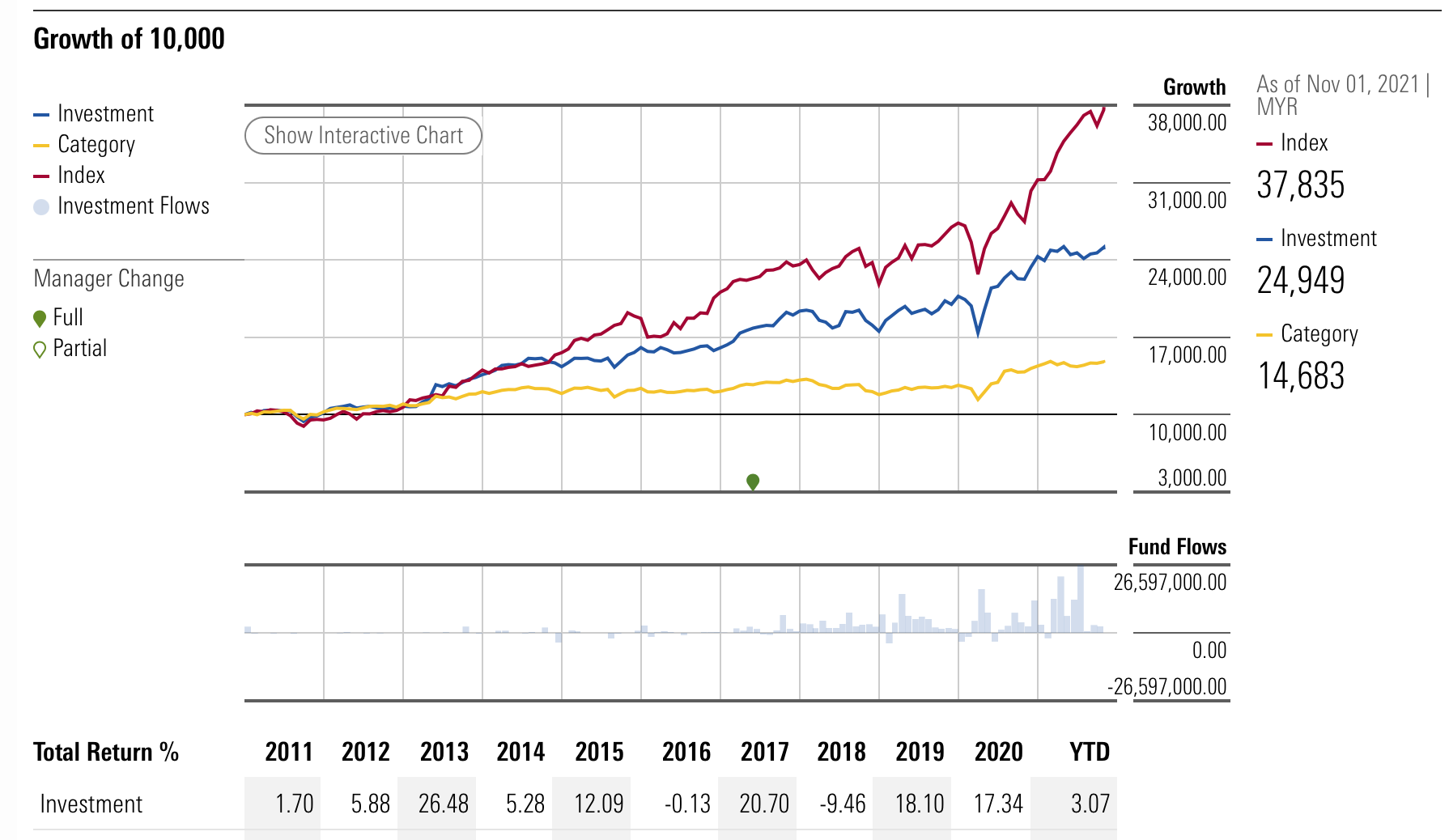
There are differences between (ETF) and . Foolishly speaking, they have different names, haven’t they? Here I list out some good links to help you further to get more elaboration on differences of ETF and mutual funds. What are the advantages and disadvantages between the two.

From Fool.com:

Mutual Funds: Traditional, actively managed mutual funds usually begin with a load of cash and a fund management team. Investors send their C-notes to the fund, are issued shares, and the Porsche piloting team of investment managers figures out what to buy. Some of these stock pickers are very good at this. The other 80% of them, not so much.

ETFs: ETFs work almost in reverse. They begin with an idea — tracking an index — and are born of stocks instead of money.

What does that mean? Major investing institutions like Fidelity Investments or the Vanguard Group already control billions of shares. To create an ETF, they simply peel a few million shares off the top of the pile, putting together a basket of stocks to represent the appropriate index, say, the Nasdaq composite or the TBOPP index we made up for the kick-off article. They deposit the shares with a holder and receive a number of creation units in return. (In effect they’re trading stocks for creation units, or buying their way into the fund using equities instead of money.)

While Investopedia.com says:

As with many financial decisions, determining which investment vehicle to commit to comes down to “dollars and cents”. Given the comparison of costs, the average passive retail investor will decide to go with index funds. For these investors, keeping it simple can be the best policy. Passive institutional investors and active traders, on the other hand, will likely be swayed by qualitative factors in making their decision. Be sure you know where you stand before you commit.

And Suze Orman stated that:

ETFs is a mutual funds for the 21st century

You may love to read all the details from them, here are the links:

1. Mutual Funds v ETFs
2. Mutual Funds vs. ETFs
3. ETFs Vs Index Funds: Quantifying The Differences

Like this post? Click here to buy me a Starbucks coffee.

 Subscribe in a reader


Previous Articles


Close
E-mail It